

In commercial environments—from retail stores and galleries to hotels, showrooms, and restaurants—the quality of lighting directly affects product visibility, customer experience, and brand perception. LED spotlights are central to modern commercial lighting, but their performance depends heavily on optical precision.
High‑precision optics determine whether a spotlight produces a clean, uniform, controlled beam—or a harsh, uneven, distracting one. This guide explains why optical quality matters, how it impacts commercial spaces, and what to look for when choosing LED spotlights.
Optics in LED spotlights determine how light is shaped, directed, and distributed. High‑precision optics refer to advanced optical components engineered for consistency and accuracy.
TIR (Total Internal Reflection) lenses
Specular reflectors with engineered geometry
Hybrid lens-reflector systems
Specialty optics (soft-edge, wall-washer, narrow beam)
Clean beam edges
Smooth center-to-edge transition
Accurate beam angle
Minimal light spill
Uniform illumination
In commercial spaces, visual quality depends on optical precision more than on wattage or brightness.
High-precision optics directly influence customer perception and operational effectiveness.
Poor optics create hotspots and uneven illumination, which distort how items appear.
Clean beam patterns make a space feel more premium and intentional.
Controlled optics reduce glare, eye strain, and visual clutter.
Light becomes a brand language—precision builds trust and sophistication.
Beautifully lit products attract more attention, boosting engagement.
Optics define the quality of commercial lighting more than any other factor.
Beam uniformity refers to how smoothly brightness transitions from the beam center to its edges.
No bright hotspot
Consistent illumination
Soft, clean edges
No rings or artifacts
Better color consistency across the beam
Harsh centers
Patchy rings
Messy edges
Distracting dark zones
Uniform beams create professional, premium visual experiences.
Beam angle defines how wide or narrow the light spreads. High‑precision optics maintain accurate and repeatable beam shapes.
Actual 10°, 15°, 24°, 36°, 60° beams (as specified)
True-to-design distribution
Perfectly centered beams
Better throw distance
Accurate aiming on products
Beam angles that don’t match specification
Unpredictable spill light
Misaligned hotspot positions
For retail and commercial spaces, precision is essential for consistency.
Even with high CRI LEDs, poor optics can distort how colors and textures appear.
Material reflectivity
Fabric texture
Leather grain
Stone and tile detail
Metallic surfaces
Cosmetics and skin tones
Better optics = better product realism.
Glare control is essential for comfort and professionalism.
High-precision optics:
Control light spill
Keep beams targeted
Reduce direct LED visibility
Remove harsh edges
Increase visual comfort
Poor optics spread uncontrolled light, causing:
Eye strain
Uncomfortable brightness
Distracting reflections
Cheap-looking environments
Reducing glare is critical in retail, hospitality, and corporate spaces.
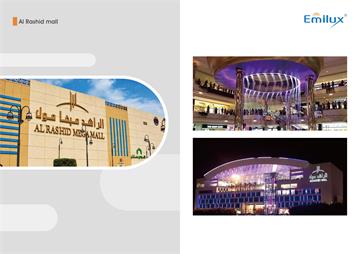
Highlight products cleanly
Improve color perception
Increase purchase intention
Reveal materials accurately
Enhance high-end brand feel
Create soft, welcoming environments
Avoid glare for relaxing spaces
Preserve artwork integrity
Provide museum-grade uniformity
Enhance food visual appeal
Shape ambience with controlled light
High-precision optics adapt to every commercial environment where visual quality matters.
TIR lenses instead of cheap plastic diffusers
Clean, smooth beam when tested on a wall
No rings or multi-shadow artifacts
Tight beam angle tolerance
High-quality reflector materials
Optional optical accessories (honeycomb, soft lens, wall-washer)
What optical system is used?
What is the beam uniformity percentage?
Are there multiple beam angle options?
Can I test a beam sample?
Good optics are easy to spot—poor ones are impossible to hide.
High-quality optics might cost more upfront, but:
Reducing the need for more fixtures
Providing higher efficiency per watt
Creating better impact with fewer lights
Reducing maintenance
Supporting long-term merchandising changes
Better optics = fewer fixtures + better performance.
In commercial lighting, the quality of LED spotlights depends less on wattage and more on optical engineering. High-precision optics ensure:
Perfect beam uniformity
Accurate highlighting
Low glare and high comfort
Better product visibility
Stronger brand expression
Premium spatial atmosphere
If lighting quality defines the success of a commercial space, then optics define the success of the lighting.
High‑precision optics aren’t a bonus—they are a requirement for any commercial project that wants to look professional, premium, and visually compelling.